Ghana’s Ministry of Health declared a yellow fever outbreak in affected districts of the Upper West Region on October 9, 2026, after laboratory tests confirmed three infections. All three patients died.
The cases were found during investigations that began after health facilities in Sissala West and Wa West reported suspected infections from September 9. Samples collected as part of the investigation were sent to the World Health Organization-accredited Institut Pasteur laboratory in Dakar, Senegal, for confirmation.
Health Minister Kwabena Mintah Akandoh said the three confirmed infections were identified among 450 suspected yellow fever cases recorded across Ghana. The nationwide figure reflects cases under investigation and does not mean that all 450 patients had the disease.
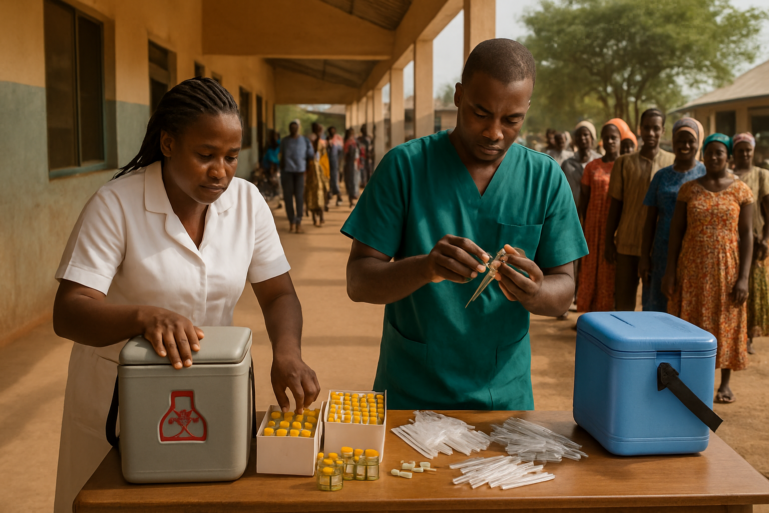
The declaration shifts the response toward targeted emergency measures in the Upper West Region, including a vaccination campaign expected to begin during the week following October 9. The Ghana Health Service will lead the campaign, which is intended to cover people from nine months through 60 years of age in the designated areas.
Three districts targeted for vaccination
Wa West, Sissala West and Sissala East have been identified as affected or at-risk districts being prepared for emergency vaccination in October. The selection includes the two districts where reports from health facilities initially prompted the investigation, along with Sissala East.
Preparations for the campaign are taking place as authorities work to coordinate surveillance, testing and vaccination activities. The Ministry of Health said the National and Regional Public Health Emergency Operations Centres had been activated to direct the response.
The activation of those centres was detailed in the government’s official account of the outbreak. It establishes a national and regional structure for managing the emergency, although further operational details were not provided in the other selected reports on the declaration.
The government has also moved to secure additional vaccine supplies. Graphic Online reported that Ghana requested 187,000 more yellow fever vaccine doses to support the response. The reported request indicates the scale of the planned intervention, but it does not establish that the additional doses had already been delivered.
Investigation began with suspected cases
The timeline released by health authorities shows that the outbreak declaration followed a month of investigation. Suspected infections were first reported at facilities in Sissala West and Wa West beginning September 9. Samples were subsequently collected and sent outside Ghana for confirmatory testing at the Dakar laboratory.
The laboratory results confirmed three cases, providing the basis for the Ministry of Health’s October 9 declaration. The deaths of all three confirmed patients have made rapid vaccination in affected and at-risk communities a central part of the response.
Authorities have not classified the remaining suspected cases as confirmed infections. The distinction is significant because the figure of 450 represents reports recorded nationally, while only three had received laboratory confirmation in the information announced by the health minister.
The Ghana Information Services Department and the Ghana News Agency both reported the use of the Institut Pasteur laboratory for confirmatory testing. That process connected the initial reports from local health facilities with the formal declaration at the national level.
Emergency campaign planned
The planned vaccination drive will focus on a broad age range, from infants aged nine months to adults aged 60. Health authorities are preparing the three named districts for the targeted campaign rather than announcing a nationwide emergency vaccination exercise.
The response therefore has several distinct elements: investigation of suspected cases across the country, emergency coordination through national and regional centres, and targeted vaccination in the Upper West Region. The request for additional doses is intended to reinforce those efforts.
Further implementation details, including the precise start date and local vaccination arrangements, were not included in the October 9 information. The Ghana Health Service was expected to begin the campaign within the following week as the emergency response continued in Wa West, Sissala West and Sissala East.