DJIBOUTI — At least 139 migrants have died and 84 remain missing after an overcrowded boat carrying 305 people capsized off Djibouti while heading toward Yemen, the International Organization for Migration said on October 11.
The vessel went down near Guhere, north of the Djiboutian port town of Obock, during the night of October 8 into October 9. Survivor accounts indicated that the boat sank shortly after the passengers boarded on the evening of October 8.
Around 82 people survived the disaster, according to a Reuters report. The Associated Press and AFP placed the number at more than 80 and reported that all known survivors were Ethiopian nationals.
The confirmed death toll had initially stood at 109, with 116 people listed as missing. It rose to 139 after search teams recovered 30 more bodies, AFP reported, reducing the number of people still unaccounted for to 84.
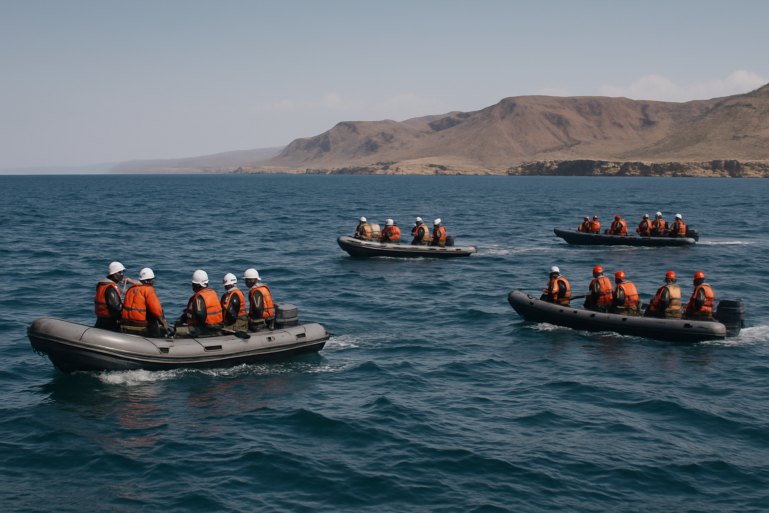
Djiboutian authorities were continuing search-and-rescue efforts while providing medical treatment to survivors and making arrangements for the burial of those who died. The figures provided by the International Organization for Migration account for everyone believed to have been aboard: 139 confirmed dead, 84 missing and approximately 82 survivors.
Overcrowding blamed for sinking
Alexandre Coissac, the International Organization for Migration’s chief of mission in Djibouti, said the vessel sank soon after departure, mainly because it was overcrowded. The boat had been attempting the sea crossing from Djibouti toward Yemen when it capsized close to the coast.
“This is a devastating loss of life,” Coissac told the Associated Press. “This tragedy is a stark reminder of the dangers faced by migrants along this migration corridor as they seek economic opportunities.”
The migration agency was assisting 64 survivors at its migrant response center in Obock, according to AFP. Support provided at the center included health care, temporary accommodation and food. It was not immediately stated where the other survivors were receiving assistance.
Rescue teams faced the task of locating those still missing while caring for people who made it back to shore. With 84 passengers unaccounted for as of October 11, the search remained active three days after the vessel went down.
Calls for safer migration routes
International Organization for Migration Director-General Amy Pope urged governments and donors to take action to prevent further deaths. “We cannot keep treating these deaths as normal,” she said in a statement quoted by the Associated Press. “Safe and legal pathways save lives. I am asking governments and donors to act before the next boat goes down.”
The African Union also acknowledged the capsizing and the loss of migrant lives in a statement issued on October 11. Its statement cited the earlier figure of 109 deaths, which had been released before the recovery of the additional 30 bodies raised the toll to 139.
The updated numbers underscore the scale of the operation still underway around Obock. Authorities were simultaneously searching for missing passengers, treating survivors and preparing burials as the International Organization for Migration coordinated support for those brought to its response center.
The cause described by Coissac centered on the number of people packed onto the vessel. No further details about the boat or the circumstances of the departure were immediately provided in the confirmed accounts.
For families awaiting information, the number of missing remained substantial despite the recovery of more bodies. Officials and humanitarian workers continued their response as the confirmed toll made the October 8-9 sinking a major loss of migrant life off Djibouti’s coast.