Nigeria’s federal government has activated an emergency task force and deployed 500,000 vaccine doses to Katsina and Kano states to contain a diphtheria outbreak affecting children in parts of the two northwestern states.
The Federal Ministry of Health and Social Welfare announced the measures on August 28, 2026, following a directive from the Coordinating Minister of Health and Social Welfare, Professor Muhammad Ali Pate. The response is focused on investigating the outbreak, expanding surveillance and increasing vaccination in affected and at-risk communities.
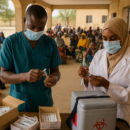
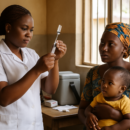
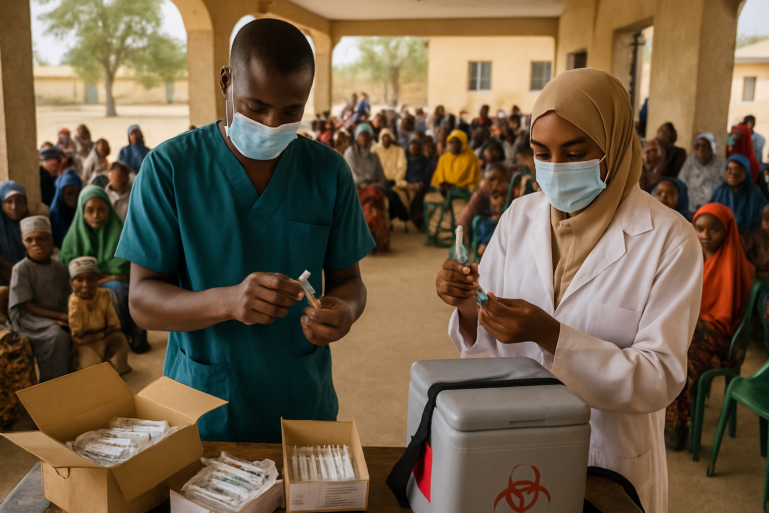
The National Primary Health Care Development Agency sent exactly 500,000 doses to the two states for intensified immunisation. Unvaccinated children are a priority under the emergency plan, alongside broader efforts to reach communities considered vulnerable to further transmission.
The ministry did not provide a confirmed number of cases or deaths in its announcement. In the absence of verified figures, the scale of the outbreak cannot be determined from the federal statement alone.
Multi-agency task force begins response
The emergency task force brings together the Federal Ministry of Health and Social Welfare, the Nigeria Centre for Disease Control and Prevention, the National Primary Health Care Development Agency and the governments of the affected states. International health partners are also participating.
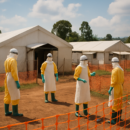
Its responsibilities cover several parts of the public health response. The team has been instructed to investigate the outbreak, reinforce disease surveillance, intensify community sensitisation and organise vaccination for children who have not been immunised.
That combination is intended to support both immediate outbreak control and closer monitoring of developments in Katsina and Kano. Surveillance activities will help response agencies track the situation and identify emerging needs, while community outreach will focus on informing families in affected and at-risk areas about the immunisation effort.
The task force must report to the coordinating minister every week. Those updates are expected to cover progress made, new challenges and any additional resources required as the response continues.
Treatment capacity planned across Katsina
Alongside vaccination and surveillance, the federal government is working with the Katsina State Government to establish treatment annexes at hospitals serving the state’s three senatorial districts: Katsina, Daura and Funtua.
The planned annexes are intended to broaden access to care across the state rather than concentrate the clinical response in a single location. The federal plan also includes emergency support for the Federal Teaching Hospital, Katsina, which is expected to receive supplies and personnel needed for treating patients and protecting health workers.
Planned assistance for the teaching hospital includes diphtheria antitoxin and intravenous antibiotics. Additional clinical personnel and personal protective equipment are also part of the support package.
The clinical measures will operate alongside the vaccination campaign. While treatment facilities respond to patients requiring care, immunisation teams will concentrate on unvaccinated children and communities facing heightened risk.
Focus on coordination and accountability
The composition of the task force places federal disease-control and primary healthcare agencies in direct coordination with state governments and international partners. Each part of the response has a defined focus, ranging from outbreak investigation and case surveillance to vaccine delivery, public sensitisation and hospital support.
Federal health authorities have not announced how long the emergency operation will remain active. The requirement for weekly reports gives the coordinating minister a continuing review mechanism as agencies assess progress and identify gaps.
The immediate priorities remain the use of the 500,000 deployed vaccine doses, investigation of the outbreak and reinforcement of clinical services in Katsina. Work in Kano will include intensified immunisation and other task force activities in affected and at-risk communities.
Further official updates will be needed to establish the outbreak’s confirmed case count, any reported fatalities and the results of the vaccination and surveillance measures. Until those details are released and verified, the federal announcement provides no numerical assessment beyond the volume of vaccines deployed.