Guinea’s transitional government has dissolved 40 political parties — including the country’s three main opposition movements — in a sweeping move that has intensified fears over democratic backsliding ahead of national elections in May.
According to a decree announced on state television late Friday, the Ministry of Territorial Administration stated that the parties were being “dissolved for failure to meet legal obligations.” The order effectively strips them of their legal status, freezes their assets, and bans any political activity conducted under their names both inside Guinea and abroad.
Major Opposition Parties Targeted
Among the dissolved parties are several key opposition groups:
- The Union of Democratic Forces of Guinea (UFDG), led by exiled former prime minister Cellou Dalein Diallo.
- The Rally of the Guinean People (RPG), the party of ousted former president Alpha Condé.
- The Union of Republican Forces (UFR), founded by another exiled ex-prime minister Sidya Touré.
The headquarters of these organizations are to be sealed and placed under state custody pending liquidation procedures, officials said.
New Political Law Behind the Crackdown
The decision follows the introduction of a new organic law passed in November 2025, which set stricter conditions for political parties to maintain their legal recognition. The law requires each party to demonstrate:
- A functional presence in all 33 prefectures of Guinea.
- At least 30 percent female representation in their leadership bodies.
Although political groups were given six months to comply, the government acted before the grace period officially ended — a move opposition figures describe as politically motivated.
A Trend of Tightening Political Control
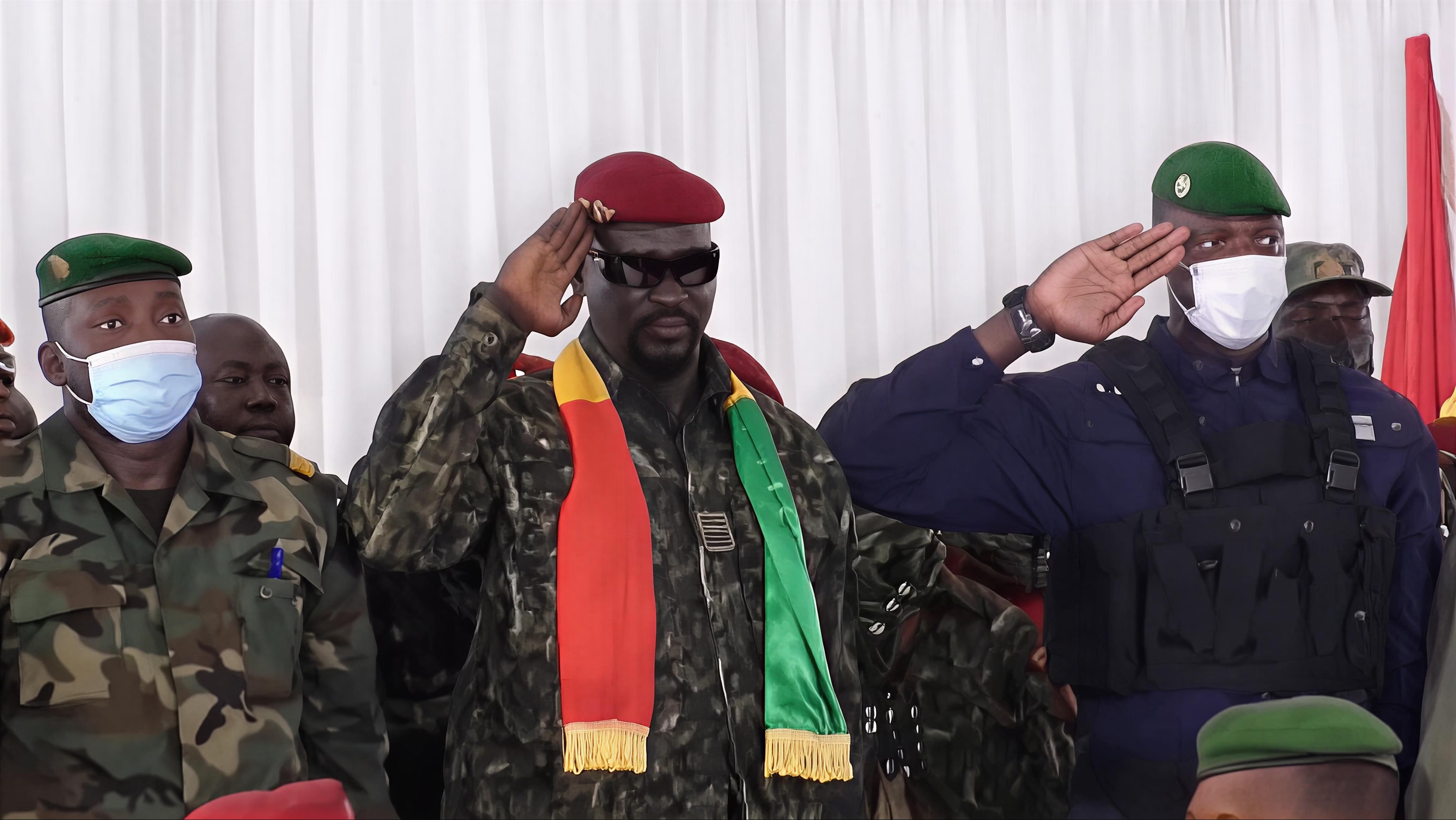
This is not the first large-scale crackdown on political organizations under President Mamady Doumbouya, the former army colonel who seized power in a September 2021 coup. In October 2024, authorities had already dissolved 53 smaller parties following an administrative review.
Analysts say these actions reflect a broader trend of centralizing power. Since the junta takeover, Guinea’s authorities have banned public demonstrations, closed down independent media outlets, and detained or exiled opposition leaders.
Doumbouya was declared the winner of December 2025 elections with nearly 87 percent of the vote, after a new constitution extended presidential terms to seven years and allowed military figures to run for office. Both Diallo and Touré were barred from competing. He officially took office in January 2026.
Elections Loom as Opposition Voices Warning
Legislative and local elections are scheduled for May 24, but the political opposition now faces severe obstacles to participation.
“This decision contradicts democratic principles,” said Moïse Diawara, spokesperson for the minor opposition party MoDeL, one of the few groups not included on the dissolution list.
Other politicians have also voiced alarm. Ansoumane Fofana, leader of the Rally of Guineans for Alternation, warned that the government’s actions could “further restrict political expression and undermine confidence in the upcoming vote.”
Despite international appeals for inclusive governance, the government has given no indication it plans to reverse course — leaving Guinea’s political future more uncertain than ever.